
Finding the Right Training Rhythm
One of the most common questions new students ask is how often to train jiu-jitsu to see real progress. In a busy city like Abu Dhabi, the answer depends less on a magic number and more on a routine you can actually keep.
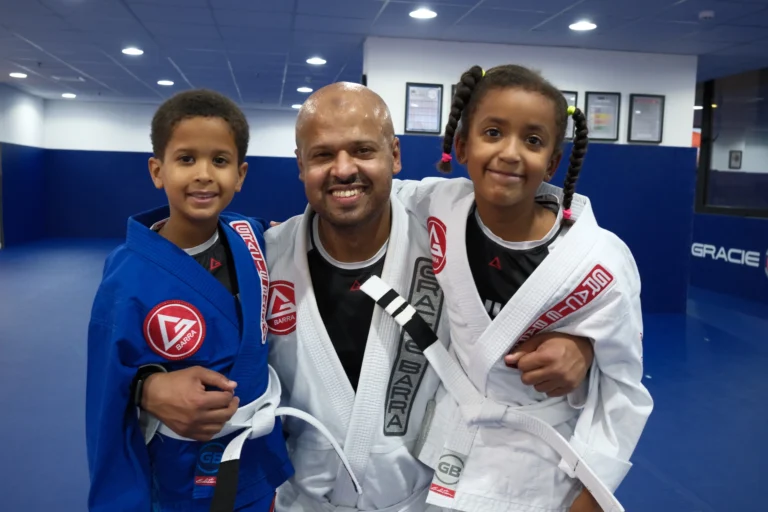
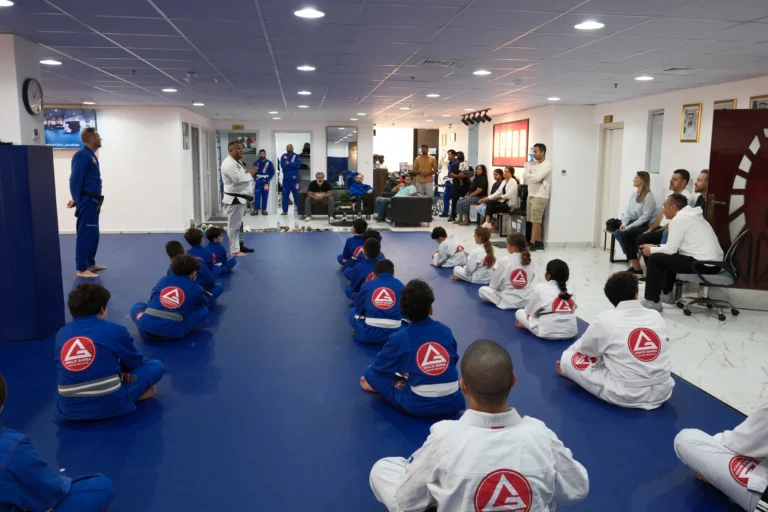
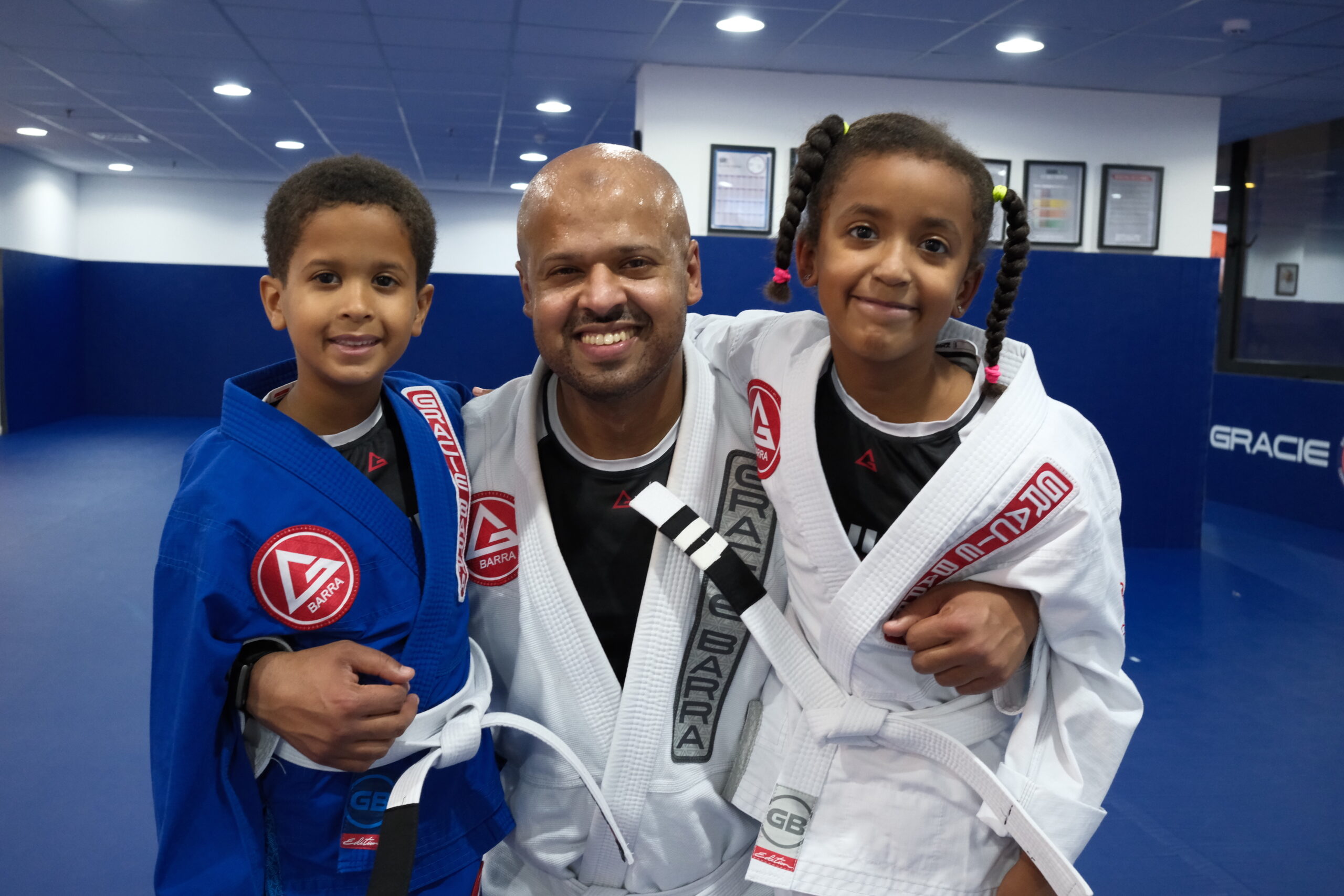
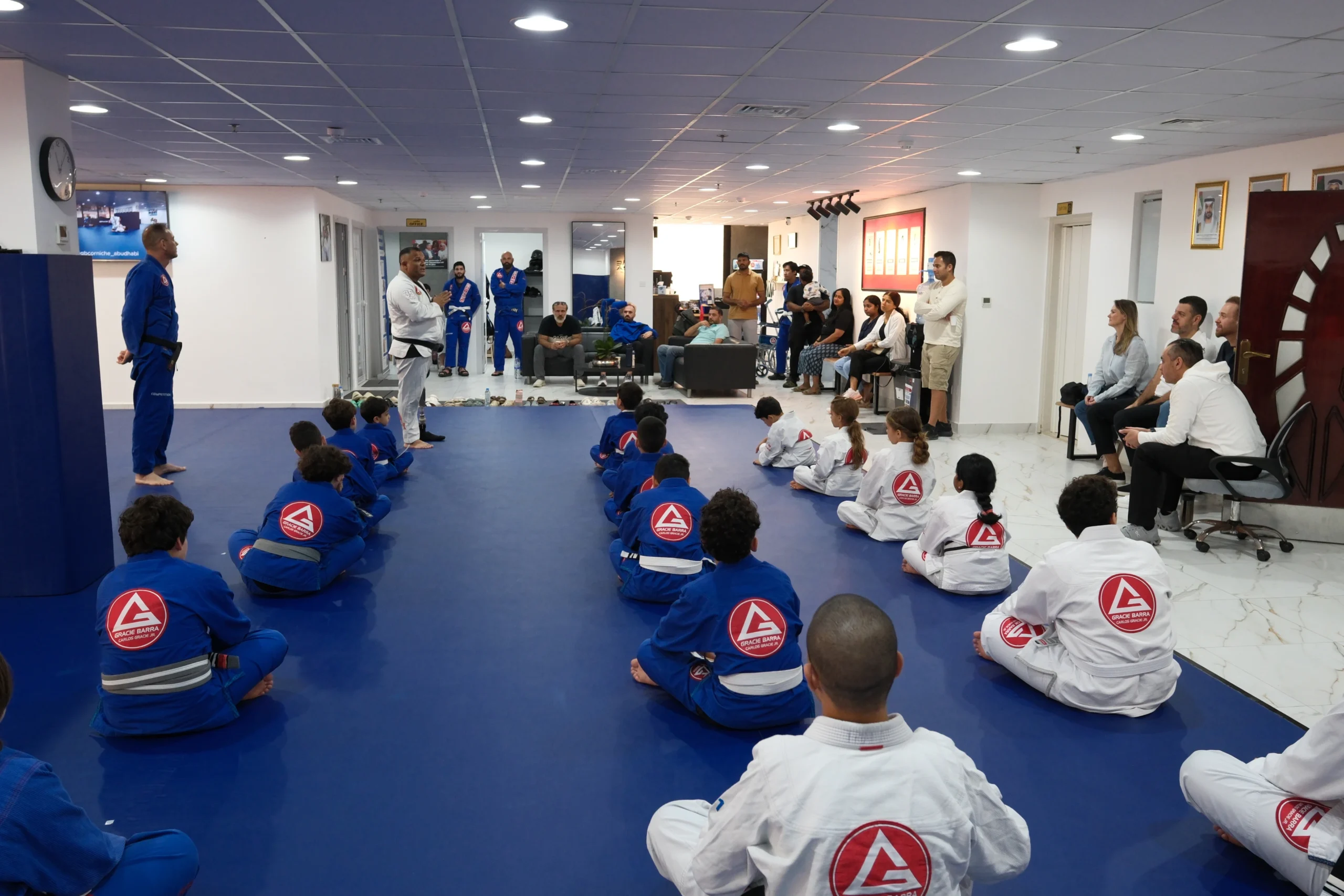
At Gracie Barra Corniche, students of all ages and levels share the mats, and each one builds a different weekly rhythm. Exploring our jiu-jitsu programs for kids and adults is a good first step toward finding yours.
DISCOVER Gracie Barra Corniche
CLICK HEREWhat Shapes How Often to Train Jiu-Jitsu
No two weekly schedules look the same on the mats. A few personal factors decide what a healthy, sustainable frequency looks like for you.
Your Current Experience Level
Someone stepping on the mats for the first time needs more recovery between sessions than a student with years of practice. New movements, new muscles, and new partners all take time for the body to absorb.
That is why beginner BJJ training usually works best with a lighter weekly load at first. Starting steady makes it far easier to add sessions later without burning out.
Your Goals on the Mat
People train for many reasons: fitness, self-defense, a social outlet, or friendly competition. Each goal places a different demand on your time and energy during the week.
Being honest about your main reason for training helps you set a realistic schedule. A student focused on general health does not need the same volume as someone preparing for a tournament.
Work, Family, and Daily Routine
Long working hours, school runs, and family commitments are part of life for most adults. A training plan that ignores these realities rarely lasts more than a few weeks.
Many adults find that classes fit best when they are treated as a break from the workday rather than another task. That mindset is a big part of why the mat works so well for stress relief and confidence.
Recovery and Sleep
Progress happens between sessions as much as during them. Muscles repair, techniques settle into memory, and energy returns when you rest and sleep well.
If you often arrive at class tired or sore, adding more sessions may slow you down. Matching your training frequency to your recovery keeps every class productive and enjoyable.
Typical Weekly Rhythms by Stage
While every student is different, some common patterns help people plan their week. Think of these as starting points rather than strict rules.
Starting With Two Classes a Week
For most newcomers, two classes a week is a comfortable starting point. It gives enough repetition to remember what you learned while leaving room for rest and daily life.
If you are still preparing for your first jiu-jitsu class, aim for consistency over intensity. Two steady sessions every week beat five sessions one week and none the next.
Building Toward Three or Four Sessions
After a few months, many students feel ready to add a third or fourth class. The body adapts, movements feel familiar, and recovery between sessions usually gets faster.
Add sessions gradually, one at a time, and notice how you feel over the following weeks. If energy and enthusiasm stay high, the new rhythm is probably a good fit.
Training With Competition Goals
Students who plan to compete often train more frequently and with more structure. Their weeks may include technique classes, live rounds, and separate conditioning work.
This higher volume works best with guidance and planned rest days. Competition-focused BJJ training requires careful balance so that preparation builds you up instead of wearing you down.
Making Consistency Last
Choosing a number is the easy part. Keeping that routine alive for months and years is where most of the real progress comes from.
Treat Classes Like Appointments
Blocking class times in your calendar, just like a meeting, makes them harder to skip. A fixed plan removes the daily decision of whether to go.
Packing your gear the night before and choosing the same days each week also helps. Small habits like these turn training into a natural part of your routine.
Listen to Your Body
Some soreness is normal, especially early on, but persistent pain or exhaustion is a signal to slow down. Taking an extra rest day is part of training, not a step backward.
Talk with your instructor if something feels off. Adjusting your frequency for a week or two can prevent small issues from turning into longer breaks.
Hydration and Warm Weather Training
Hot and humid weather can make the hours around class feel more demanding. Drinking water throughout the day, not only during class, helps you train with more energy.
During the warmest months, light meals, good sleep, and steady hydration matter even more. These simple habits help you keep your weekly rhythm all year round.
Practical Guidance for Your First Months
A simple approach is to start with two sessions a week, keep it steady for a couple of months, then reassess. Your energy, enjoyment, and progress will tell you when it is time to add more.
Every Gracie Barra school is supervised by a certified Gracie Barra instructor who can help you adjust along the way. Checking the class schedule for your level makes it easier to pick days that fit your week.
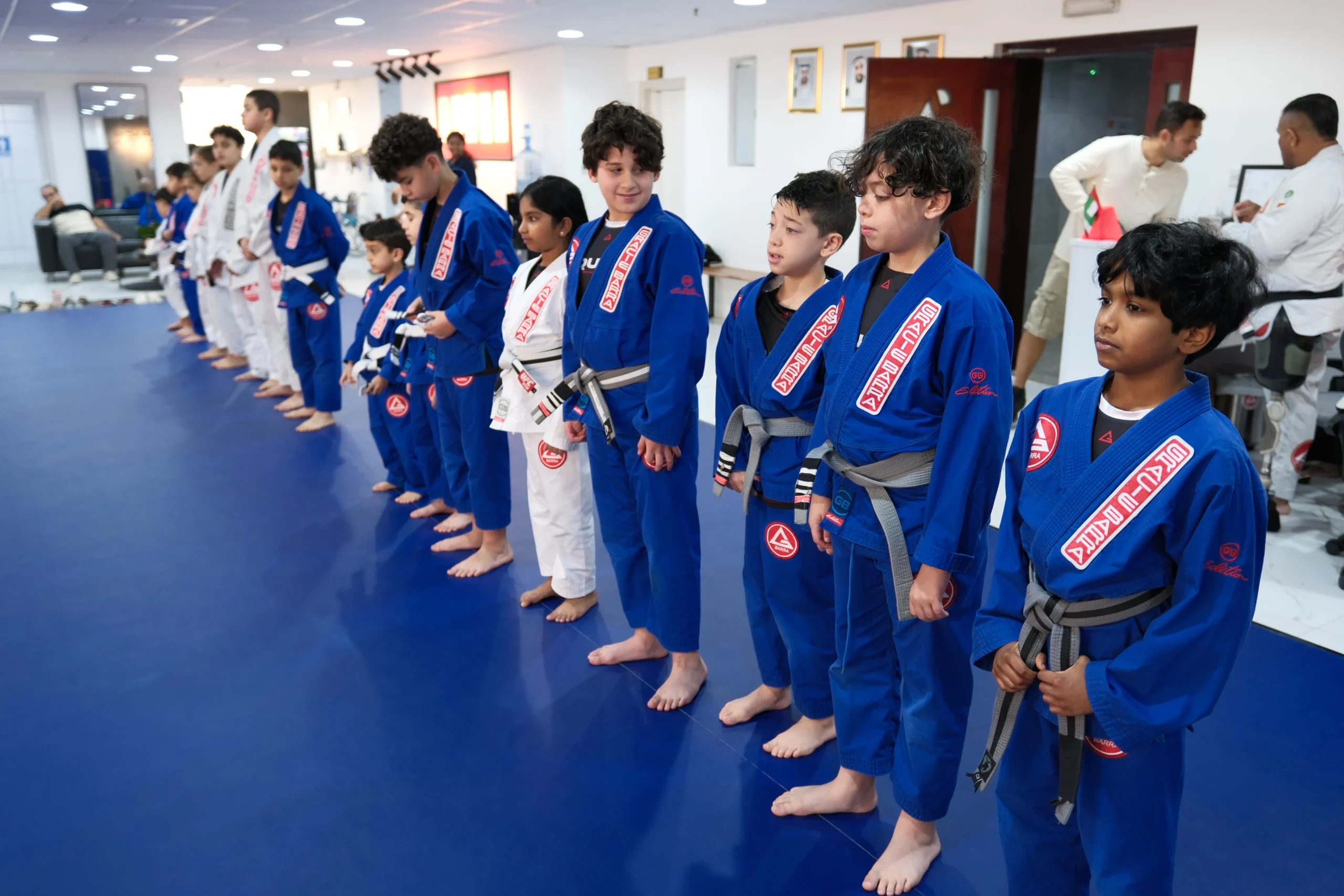
Building a Routine That Fits Your Life
The best schedule is the one you can repeat week after week. Start manageable, protect your recovery, and grow your training volume only when your body and routine are ready.
Consistency also shapes your long-term development on the mats. Each steady month of training adds up as you move through the jiu-jitsu belt progression, one class at a time.
DISCOVER Gracie Barra Corniche
CLICK HEREStart Your Weekly Rhythm on the Mats
Deciding how often to train jiu-jitsu is a personal choice shaped by your goals, routine, and recovery. A steady, realistic plan will always take you further than an ambitious schedule you cannot sustain.
If you live or work around Al Nahyan, Al Danah, Al Khalidiyah, or Al Bateen, Gracie Barra Corniche welcomes kids, teens, and adults ready to build a lasting habit. Visit our mats in Abu Dhabi and try a class with our team.